Computer Vision • Environmental Science • Research Infrastructure

Developing Computer Vision Tools for Long-Term Wildlife Monitoring

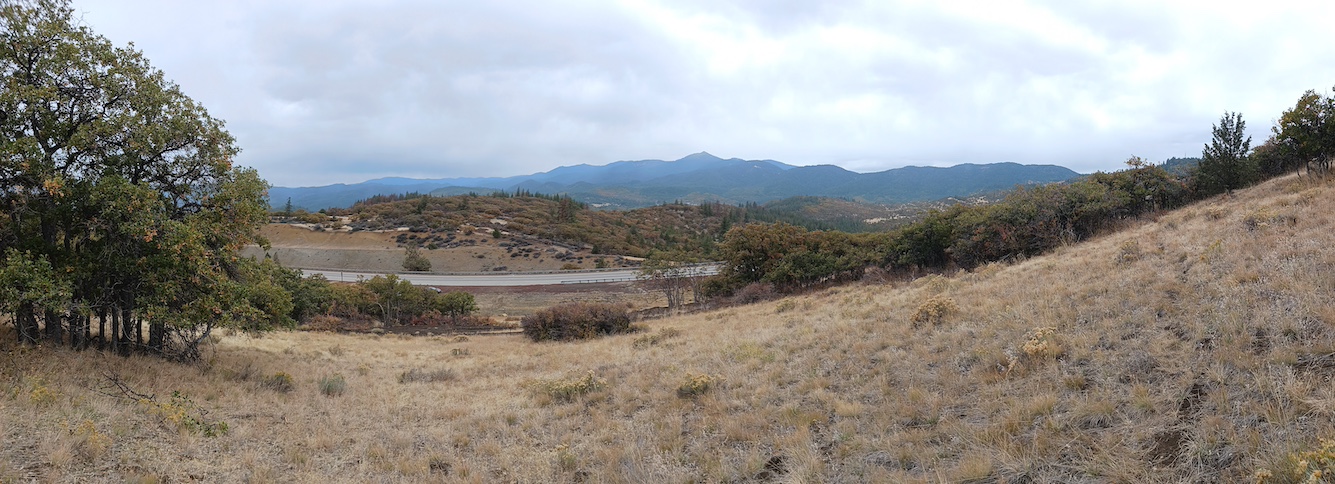
Green Crossing AI is an interdisciplinary research project at Southern Oregon University that develops new computer vision methods for wildlife monitoring and conservation research. Bringing together computing and environmental science, we investigate how data science and modern computing can help researchers better understand wildlife movement through long-term ecological observations.

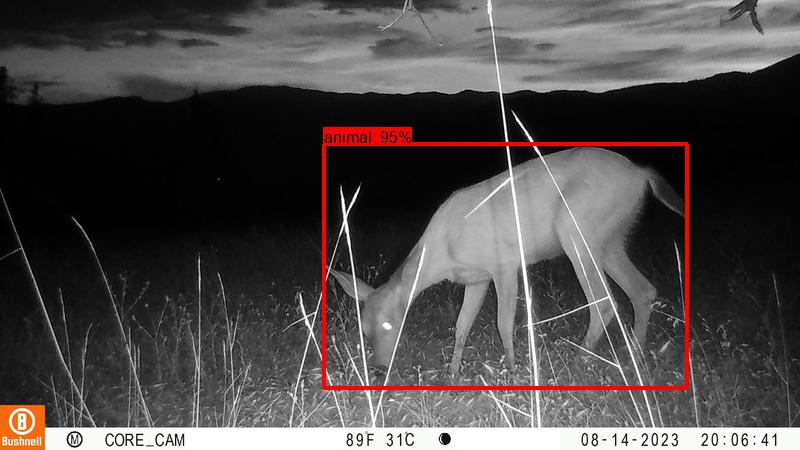
Wildlife detection camera trap image

About

About the Project

Wildlife crossings are becoming an important tool for reconnecting fragmented habitats and reducing wildlife–vehicle collisions. Understanding how animals use these landscapes requires long-term monitoring before, during, and after changes to the environment. Green Crossing AI develops computing tools that help researchers collect, organize, and analyze ecological observations, supporting conservation science and a deeper understanding of wildlife movement over time.

Project News

The I-5 Wildlife Overcrossing Is Moving Forward

Research

Research Areas

Green Crossing AI brings together computer science and environmental science to develop methods that support long-term ecological research.

Long-Term Wildlife Monitoring

Understanding wildlife movement requires observations collected over months and years. We develop methods that help researchers organize, analyze, and interpret long-term ecological data to better understand changing landscapes and wildlife behavior.

Computer Vision & Data Science

Computer vision and data science provide new ways to process and analyze large collections of ecological observations. Our research investigates methods that help scientists extract meaningful information from camera-trap data while supporting reproducible research.

Student Research

Green Crossing AI provides undergraduate students with opportunities to contribute to interdisciplinary research through software development, data analysis, field observations, and collaboration with environmental scientists.

Open Science

Publications and Resources

We share publications, software, and educational materials to support reproducible research and collaboration.

PEARC ’25 Conference Paper

GreenCrossingAI: A Camera Trap/Computer Vision Pipeline for Environmental Science Research Groups

Bernie Boscoe, Shawn Johnson, Andrea Osbon, Chandler Campbell, and Karen Mager

This paper presents a practical camera-trap processing pipeline designed to help environmental science research groups manage large image collections and incorporate computer vision into their research workflows.

Read the paper on arXiv →

NAIRR ’26 Conference Poster

A Camera Trap Processing Pipeline for Environmental Science Research Groups

Katherine Nunn, Bernie Boscoe, and project collaborators

Presented as a poster at the NAIRR (National AI Research Resource) annual conference in March 2026, this work was part of the NAIRR Classroom Pilot award and highlights a reproducible camera-trap workflow for ecological research and wildlife monitoring. It also explains a module used in CS 317 Introduction to Data Science.

View the NAIRR poster PDF →

Open Notebooks

Green Crossing Notebooks

A collection of open Jupyter notebooks for camera-trap processing, MegaDetector, computer vision, and data science workflows.

View the notebooks on GitHub →

From the Field

Wildlife in Focus

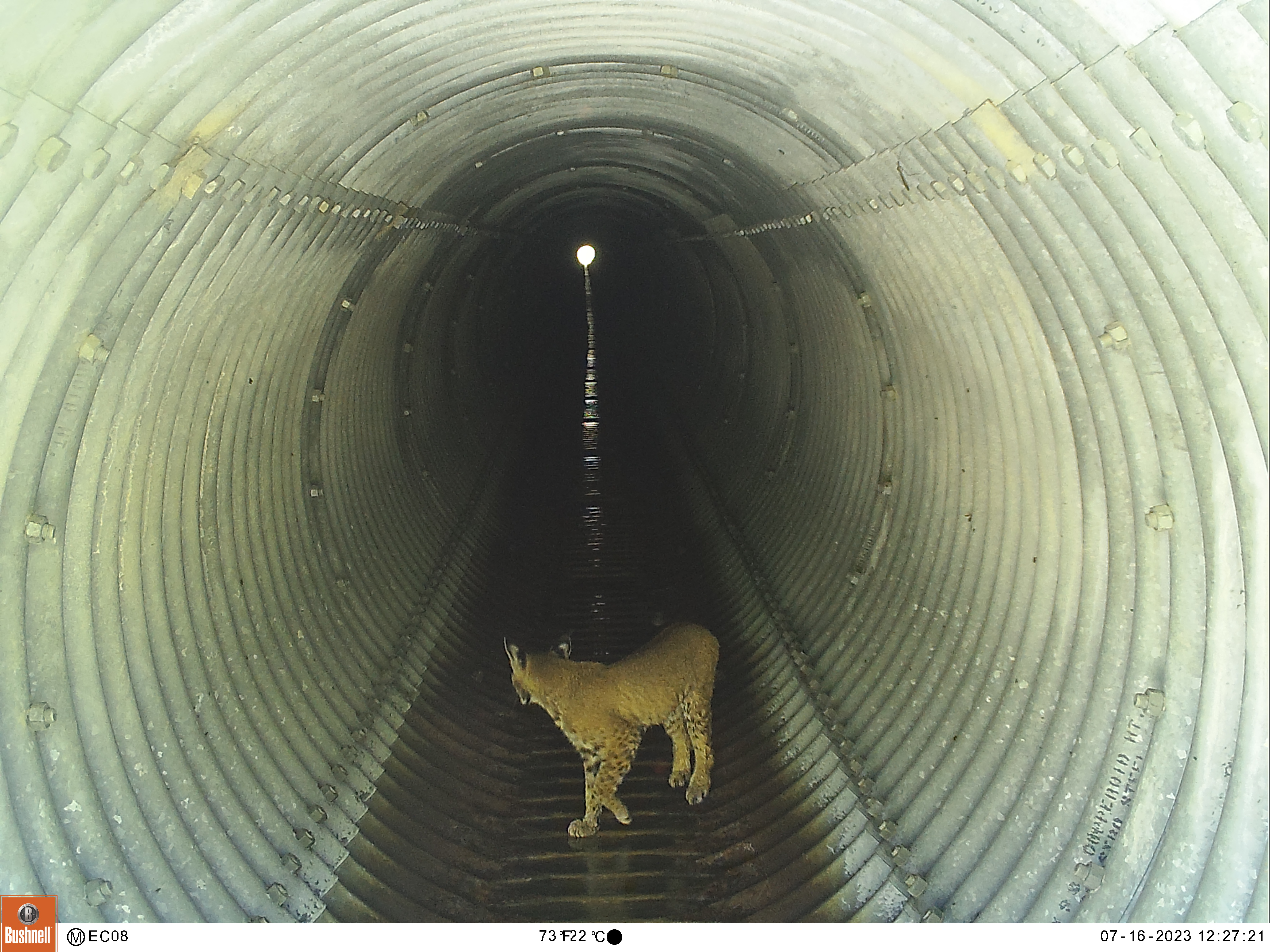
Camera traps provide a window into wildlife activity across Southern Oregon. These observations contribute to a growing long-term record of wildlife movement and ecological change.

Bobcat photographed near a culvert
Bobcat near a culvert
Woodpecker photographed on a culvert
Woodpecker on a culvert

Image credit: Wildlife photographs are from camera traps deployed by Dr. Karen H. Mager and collaborators as part of ongoing wildlife monitoring in Southern Oregon.

Team

Researchers and Students

Green Crossing AI is an interdisciplinary collaboration involving researchers and students from Southern Oregon University.

Portrait of Bernie Boscoe

Bernie Boscoe

Assistant Professor of Computer Science
Southern Oregon University

Portrait of Karen Mager

Karen H. Mager

Associate Professor of Environmental Science
Southern Oregon University

Shawn Johnson

Researcher and project collaborator

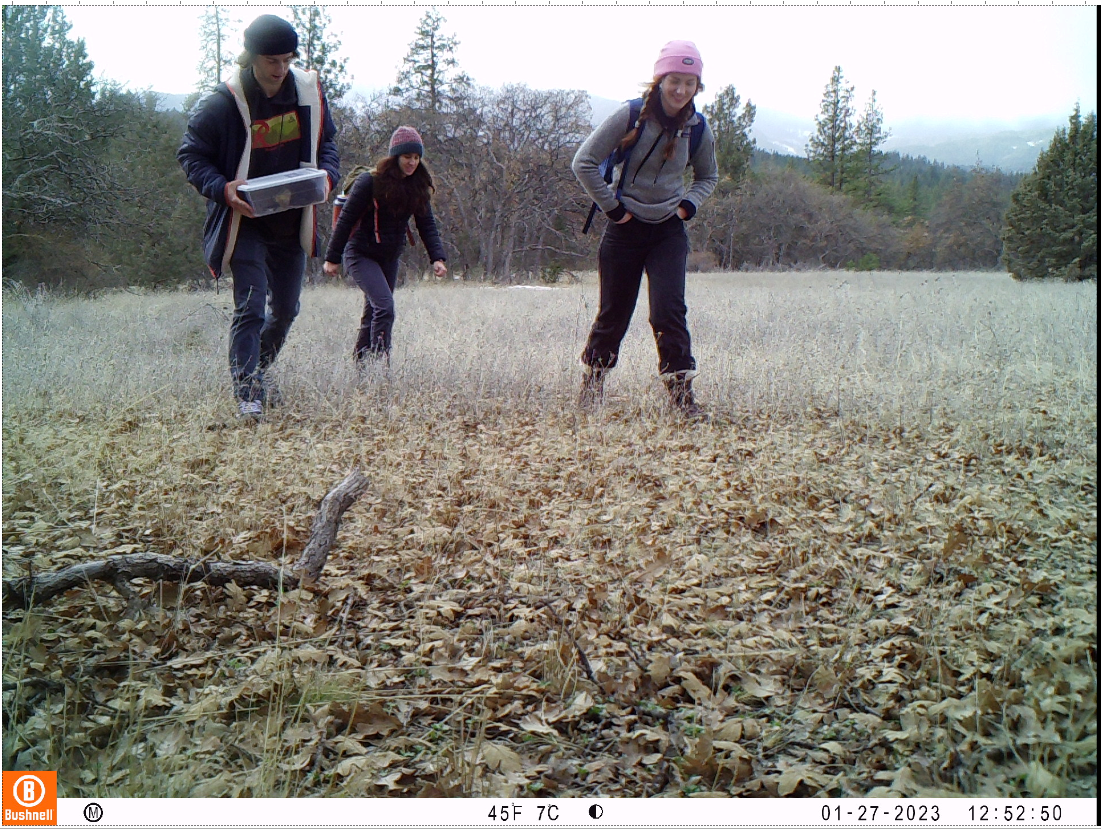
Green Crossing AI student research team

Student Researchers

Current student contributor: Katherine Nunn.

Past student contributors include Erik Harden ’24 and Harley Chappel ’24.

Contact

Connect with the Project

We welcome conversations with researchers, students, conservation organizations, and community partners interested in wildlife monitoring and environmental research.